Hanuman Sahasranamam: Significance, Chanting & Benefits
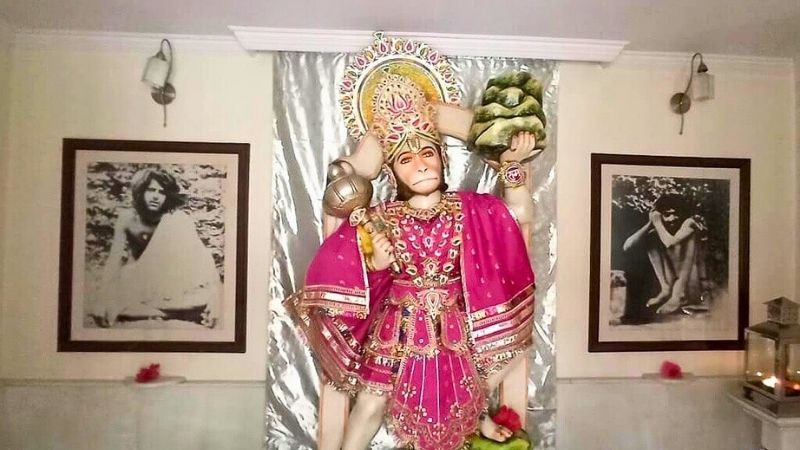
The Hanuman Sahasranamam is a sacred hymn of 1,000 names dedicated to Lord Hanuman, the symbol of unwavering devotion, strength, and courage. Known as the greatest devotee of Lord Rama, Hanuman is revered for his ability to destroy evil, remove fear, and bestow wisdom and power.
Chanting the Hanuman Sahasranamam is said to grant spiritual protection, mental strength, and success in challenging situations. It is widely recited by devotees seeking courage, health, and divine blessings.
Historical Background of Hanuman Sahasranamam
The Hanuman Sahasranamam has its roots in ancient texts like the Anjaneya Sahasranamam and mentions in various Puranas and Itihasas (Ramayana and Mahabharata). Saints and scholars composed this hymn to praise Hanuman's virtues and recount his heroic acts in service of Lord Rama.
According to legend, chanting the thousand names of Hanuman was recommended by sages to overcome fear, protect against negative energies, and gain spiritual awakening.
Structure of Hanuman Sahasranamam
Dhyana Shlokas: To meditate on Hanuman’s divine and powerful form.
1,000 Names: Highlight his qualities such as Anjaneya (son of Anjana), Bajrangbali (strong like a thunderbolt), Sankat Mochan (remover of troubles), and Rama Bhakta (devotee of Rama).
Phala Shruti: Describes the benefits of reciting this hymn.
Significance of Hanuman Sahasranamam
Spiritual Importance
Instills fearlessness, courage, and devotion to Lord Rama.
Connects the devotee with Hanuman’s boundless strength and energy.
Helps overcome mental blocks, laziness, and negative influences.
Philosophical Insights
Hanuman is the embodiment of bhakti (devotion), shakti (power), and jnana (knowledge).
The Sahasranamam highlights his selfless service and humility despite his immense power.
Cultural Influence
Recited during Tuesdays and Saturdays, which are traditionally dedicated to Hanuman.
A key part of devotional practices alongside Hanuman Chalisa and Sundarkand Path.
Mantras and Verses
A common verse invoking Hanuman is:
“Om Anjaneyaya Vidmahe, Vayuputraya Dhimahi, Tanno Hanumat Prachodayat”
Meaning: "We meditate on the son of Anjana and the wind god (Vayuputra); may Hanuman guide and enlighten us."
Another opening mantra:
“Om Hanumate Namah” – meaning "I bow to Lord Hanuman."
Correct Way of Chanting Hanuman Sahasranamam
Preparations
Purity: Take a bath and wear clean clothes.
Offerings: Offer red flowers, sindoor, and sweets like laddus.
Sacred Space: Face east or north, seated calmly.
Chanting Rules
Begin with a prayer to Lord Rama and Hanuman.
Recite the 1,000 names with devotion and focus.
Conclude with Hanuman Chalisa or Rama Nama chanting.
Auspicious Times
Tuesdays and Saturdays are ideal.
Hanuman Jayanti and Rama Navami are considered highly auspicious.
Benefits of Chanting Hanuman Sahasranamam
Spiritual Benefits
Removes fear, negativity, and obstacles.
Strengthens faith, devotion, and self-confidence.
Grants blessings of Lord Rama through Hanuman’s grace.
Material Benefits
Brings success in exams, careers, and ventures.
Protects from adversities and accidents.
Health Benefits
Promotes mental strength and resilience.
Reduces anxiety, stress, and negative thoughts.
Important Days to Recite Hanuman Sahasranamam
Tuesdays and Saturdays.
Hanuman Jayanti.
During Navratri or Rama Navami celebrations.
Lesser-Known Facts About Hanuman Sahasranamam
Hanuman is considered Chiranjeevi (immortal) and chanting his names invokes his immediate presence.
Reciting just 108 names daily is said to remove chronic problems.
The hymn is also believed to offer protection against planetary afflictions.
Conclusion
The Hanuman Sahasranamam is a hymn of devotion, courage, and spiritual strength. By chanting these 1,000 names with sincerity, devotees can overcome fear, achieve success, and experience the grace of Hanuman and Lord Rama.