Durga Sahasranamam: Significance, Chanting & Benefits
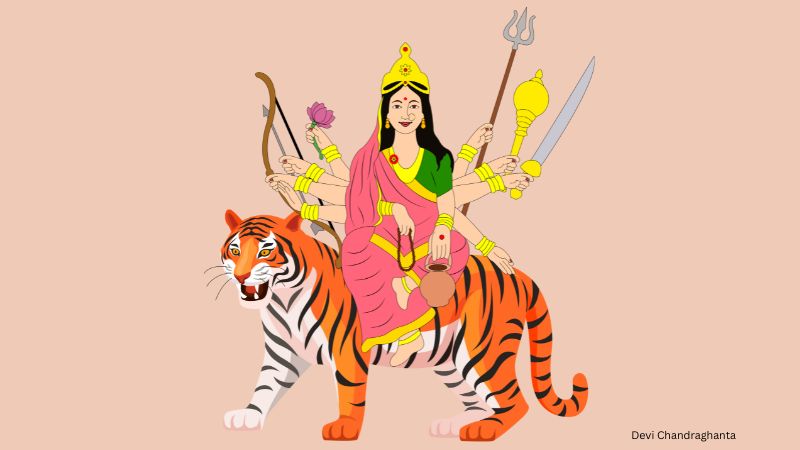
The Durga Sahasranamam is a powerful hymn containing 1,000 names of Goddess Durga, the Divine Mother and embodiment of Shakti (energy). She represents strength, protection, and the destruction of evil forces. The hymn praises her many forms, attributes, and her boundless grace in sustaining the universe.
Durga Sahasranamam is widely recited by devotees to invoke courage, protection, and prosperity. It is especially popular during Navratri and other occasions dedicated to Goddess Durga.
Historical Background of Durga Sahasranamam
Durga Sahasranamam appears in the Markandeya Purana, particularly within the sacred text Devi Mahatmya (Durga Saptashati). The stotram describes how the Goddess, as the universal mother, destroys negative forces and nurtures her devotees with love and blessings.
According to legends, the hymn was revealed to Sage Markandeya by the divine powers as a means of overcoming fear, negativity, and ignorance.
Structure of Durga Sahasranamam
Dhyana Shlokas: Invocations and visualizations of Goddess Durga’s radiant form.
1,000 Names: Highlighting her qualities such as compassion, power, wisdom, and invincibility.
Phala Shruti: Describing the spiritual and worldly rewards of chanting.
Significance of Durga Sahasranamam
Spiritual Importance
Celebrates the Divine Mother as the ultimate protector.
Removes fear, negativity, and grants spiritual strength.
Helps in overcoming internal enemies such as ego, anger, and ignorance.
Philosophical Insights
Symbolizes the victory of good over evil.
The 1,000 names highlight different manifestations of Shakti, like Kali, Parvati, and Ambika.
Cultural Influence
Recited during Navratri, Durga Ashtami, and other Devi festivals.
An integral part of Shakti Peetha rituals and household pujas.
Mantras and Verses
One of the common opening mantras is:
“Om Dum Durgayei Namaha” – meaning "I bow to Goddess Durga, the invincible one."
Another verse from the hymn:
“Ya Devi Sarva Bhuteshu Shakti Rupena Samsthita, Namastasyai Namastasyai Namastasyai Namo Namaha”
Meaning: "Salutations to the Goddess who resides in all beings as power."
Correct Way of Chanting Durga Sahasranamam
Preparations
Purity: Take a bath and wear clean clothes, preferably red or yellow.
Offerings: Offer red flowers, kumkum, and sweets like jaggery or coconut.
Sacred Space: Face east or north while chanting.
Chanting Rules
Begin with a dhyana shloka, visualizing Durga’s radiant form.
Recite the 1,000 names with devotion.
Conclude with arati and prasad.
Auspicious Times
Navratri: All 9 days are ideal for chanting.
Fridays: Dedicated to Goddess Shakti.
Ashtami & Navami: Most auspicious for Durga worship.
Benefits of Chanting Durga Sahasranamam
Spiritual Benefits
Grants strength and courage.
Destroys negativity and obstacles.
Awakens inner power and divine connection.
Material Benefits
Brings prosperity, harmony, and protection to families.
Helps in fulfilling righteous desires.
Health Benefits
Creates positive vibrations, reducing stress.
Enhances mental focus and emotional resilience.
Important Days to Recite Durga Sahasranamam
Navratri: Especially Ashtami and Navami.
Fridays: Day of Shakti worship.
Durga Puja: The main festival dedicated to the Goddess.
Lesser-Known Facts About Durga Sahasranamam
Recitation during Navratri is believed to remove karmic burdens.
The hymn also references various forms of Shakti like Annapurna, Chandika, and Kali.
Listening to or chanting it daily is said to ensure divine protection.
Conclusion
The Durga Sahasranamam is not just a hymn but a spiritual guide to invoking inner strength, divine grace, and protection. By chanting these 1,000 names, devotees can connect with the boundless energy of the Divine Mother and achieve both spiritual and worldly fulfillment.