Ashtami Dates 2026: Month-wise Tithi, Significance & Mahurat
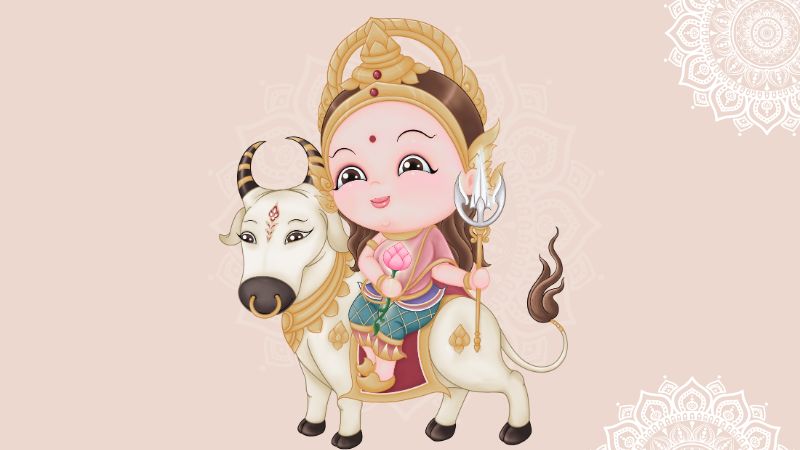
Ashtami is one of the most important tithis in the Hindu calendar, occurring on the eighth day of both the Shukla Paksha (waxing phase) and Krishna Paksha (waning phase) of every lunar month. It holds deep religious and spiritual significance, especially in the worship of Goddess Durga, Lord Krishna, and Lord Bhairava
Why is Ashtami Important in the Hindu Calendar?
Ashtami is a significant day for various Hindu deities and festivals:
Durga Ashtami: Dedicated to Maa Durga, observed during Chaitra Navratri and Sharadiya Navratri.
Krishna Janmashtami: Celebrates the birth of Lord Krishna.
Kalabhairav Ashtami: Devoted to Lord Bhairava, an incarnation of Lord Shiva.
Masik Ashtami Vrat: A monthly fast observed for prosperity and spiritual purification.
Understanding Ashtami Tithi
The Meaning of the Eighth Lunar Day
In the Hindu lunar calendar, each lunar day is called a tithi. These days are determined not by the rising or setting of the sun but by the changing angular relationship between the sun and the moon.

The eighth such phase is known as Ashtami.

The Sanskrit word “ashta” means eight. Ashtami therefore refers to the eighth day of the lunar fortnight.
Each month contains two Ashtami days:
• Krishna Paksha Ashtami – during the waning moon
• Shukla Paksha Ashtami – during the waxing moon
Although the astronomical definition is precise, the spiritual meaning is more subtle.
Ashtami is often associated with inner transformation and divine intervention.
It is on Ashtami that several important spiritual events are believed to have occurred.
The Spiritual Symbolism of the Number Eight
In sacred traditions, numbers often carry symbolic meaning.
The number eight is frequently associated with balance and cosmic order.
In Hindu philosophy:
• there are eight directions of space
• there are eight forms of Lakshmi (Ashta Lakshmi)
• there are eight limbs of yoga (Ashtanga Yoga)
Thus Ashtami can be seen as a moment when spiritual balance becomes possible.
It is a day when the seeker is encouraged to move inward, to restore harmony between action and awareness.
Ashtami Tithi in January 2026
The year begins with the quiet arrival of the first Ashtami.
Krishna Paksha Ashtami
January 10, 8:24 am – January 11, 10:20 am
This Ashtami falls during the waning phase of the moon. The waning moon is often associated with introspection and release.
It invites the devotee to let go of burdens—emotional, spiritual, and mental.
Shukla Paksha Ashtami (Bhishma Ashtami)
January 25, 11:10 pm – January 26, 9:18 pm
This Ashtami carries special significance as Bhishma Ashtami, a day dedicated to remembering Bhishma Pitamah of the Mahabharata.
Bhishma represents duty, discipline, and unwavering commitment to dharma.
Ashtami Tithi in February 2026
Krishna Paksha Ashtami
February 9, 5:01 am – February 10, 7:27 am
This day often encourages quiet reflection.
Devotees may observe simple fasting or prayer as a way of cultivating inner clarity.
Shukla Paksha Ashtami
February 24, 7:02 am – February 25, 4:52 am
The waxing moon symbolises growth and expansion.
Many spiritual practitioners consider Shukla Paksha a favourable time for prayer and new beginnings.
Ashtami Tithi in March 2026
Krishna Paksha Ashtami (Sheetala Ashtami)
March 11, 1:54 am – March 12, 4:19 am
Sheetala Ashtami is dedicated to Goddess Sheetala, revered as the protector against illness and disease.
Devotees often prepare food the day before and consume it cold on the day of the festival, symbolising simplicity and purity.
Shukla Paksha Ashtami (Budh Ashtami Vrat, Ashoka Ashtami)
March 25, 1:50 pm – March 26, 11:49 am
Ashoka Ashtami is associated with the removal of sorrow.
The name “Ashoka” itself means freedom from grief.
Ashtami Tithi in April 2026
Krishna Paksha Ashtami
April 9, 9:20 pm – April 10, 11:16 pm
This Ashtami appears quietly within the lunar cycle.
For many devotees, such days become opportunities for silent prayer rather than elaborate ritual.
Shukla Paksha Ashtami
April 23, 8:49 pm – April 24, 7:22 pm
During this phase the moon grows brighter, symbolising the gradual illumination of awareness.
Ashtami Tithi in May 2026
Krishna Paksha Ashtami
May 9, 2:03 pm – May 10, 3:07 pm
The waning moon during this period often invites contemplation.
Some devotees dedicate this day to reading sacred texts or chanting mantras.
Shukla Paksha Ashtami
May 23, 5:04 am – May 24, 4:27 am
The waxing moon reflects renewal.
Spiritually, it suggests the possibility of inner growth.
Ashtami Tithi in June 2026
Krishna Paksha Ashtami
June 8, 3:25 am – June 9, 3:24 am
Early morning observances often accompany this phase.
Meditation at dawn is considered especially beneficial.
Shukla Paksha Ashtami
June 21, 3:21 pm – June 22, 3:40 pm
The gradual fullness of the moon mirrors the expansion of awareness within the seeker.
Ashtami Tithi in July 2026
Krishna Paksha Ashtami
July 7, 1:25 pm – July 8, 12:22 pm
Mid-year Ashtamis often fall within the monsoon season in India.
Rain, in spiritual symbolism, represents purification.
Shukla Paksha Ashtami
July 21, 4:03 am – July 22, 5:17 am
Morning prayers are often offered during this time.
Ashtami Tithi in August 2026
Krishna Paksha Ashtami
August 5, 8:42 pm – August 6, 6:53 pm
This period precedes the great celebration of Janmashtami later in the year.
Shukla Paksha Ashtami
August 19, 7:20 pm – August 20, 9:18 pm
The waxing moon brings a sense of anticipation within the lunar calendar.
Ashtami Tithi in September 2026
Krishna Paksha Ashtami (Krishna Janmashtami)
September 4, 2:25 am – September 5, 12:14 am
This is one of the most celebrated Ashtamis.
Krishna Janmashtami marks the birth of Lord Krishna.
Temples remain open through the night as devotees sing hymns and recite stories of Krishna’s life.
Shukla Paksha Ashtami (Durva Ashtami, Radha Ashtami)
September 18, 1:01 pm – September 19, 3:27 pm
Radha Ashtami celebrates Radha, the embodiment of divine love and devotion.
Ashtami Tithi in October 2026
Krishna Paksha Ashtami (Madhya Ashtami)
October 3, 8:00 am – October 4, 5:52 am
This observance occurs during the sacred days of Navratri.
Shukla Paksha Ashtami (Durga Ashtami)
October 18, 8:28 am – October 19, 10:52 am
Durga Ashtami is among the most powerful days of Navratri, dedicated to the worship of Goddess Durga.
Devotees perform special rituals and prayers seeking strength and protection.
Ashtami Tithi in November 2026
Krishna Paksha Ashtami (Ahoi Ashtami)
November 1, 2:52 pm – November 2, 1:11 pm
Ahoi Ashtami is observed by mothers praying for the well-being and long life of their children.
Shukla Paksha Ashtami (Gopashtami)
November 17, 4:20 am – November 18, 6:05 am
Gopashtami celebrates the sacred relationship between Krishna and the cows of Vrindavan.
Ashtami Tithi in December 2026
Krishna Paksha Ashtami
December 1, 12:12 am – December 1, 11:14 pm
As the year draws toward its close, this Ashtami invites reflection.
Shukla Paksha Ashtami
December 16, 10:46 pm – December 17, 11:26 pm
The waxing moon during winter nights often appears luminous and serene.
Krishna Paksha Ashtami
December 30, 12:36 pm – December 31, 12:32 pm
The final Ashtami of the year arrives quietly, reminding us of the cyclical nature of time.
The Inner Meaning of Ashtami
Beyond dates and observances lies the deeper significance of Ashtami.
Each lunar cycle becomes a gentle reminder that life moves through phases.
There are moments of fullness and moments of quiet decline.
Yet within every phase lies the possibility of reflection.
Ashtami invites the seeker to pause and listen—to the movement of breath, to the rhythm of the moon, and to the quiet presence of the divine that accompanies every moment.
In this way, the eighth day becomes more than a calendar entry.
It becomes a small doorway through which devotion enters the ordinary flow of life.
Ashtami holds deep significance in the Hindu calendar, bringing divine energy, blessings, and opportunities for spiritual growth. Whether it is Krishna Janmashtami, Durga Ashtami, or Kalabhairav Ashtami, each Ashtami carries its own essence.
Observing fasts, pujas, and rituals on Ashtami days can help devotees attain prosperity, peace, and divine protection. Keeping track of Ashtami dates in 2026 will help you align your spiritual practices with these powerful days.
May Maa Durga and Lord Krishna bless all devotees with strength and wisdom! 🙏